I turn product stories into experiences people can step into. At Lean, I connect event strategy, production, guest operations and content - from the first brief to the live floor.
Events strategy | Rolling calendar | Playbooks & templates
The system behind my events
I built a 365-day rolling calendar for the events we attended, hosted and exhibited at. One view. Three ways to show up.
I planned beyond the next event
I brought the three event formats into one plan, so each event sat within a year-round approach.
Attending · Hosting · Exhibiting
I made the approach repeatable
I created playbooks and templates for each format. I gave the team a shared approach without treating a hosted event like an exhibition booth.
I describe the calendar and playbooks from my own experience. Below, I show how I put that approach to work.
I brought the PBB event to life around a simple journey: explore the history of payments, then try what comes next. I used The Museum of Payments activation to lead into a hands-on Pay by Bank demo.
My route from story to experience
01 / PLAN
I started with the story
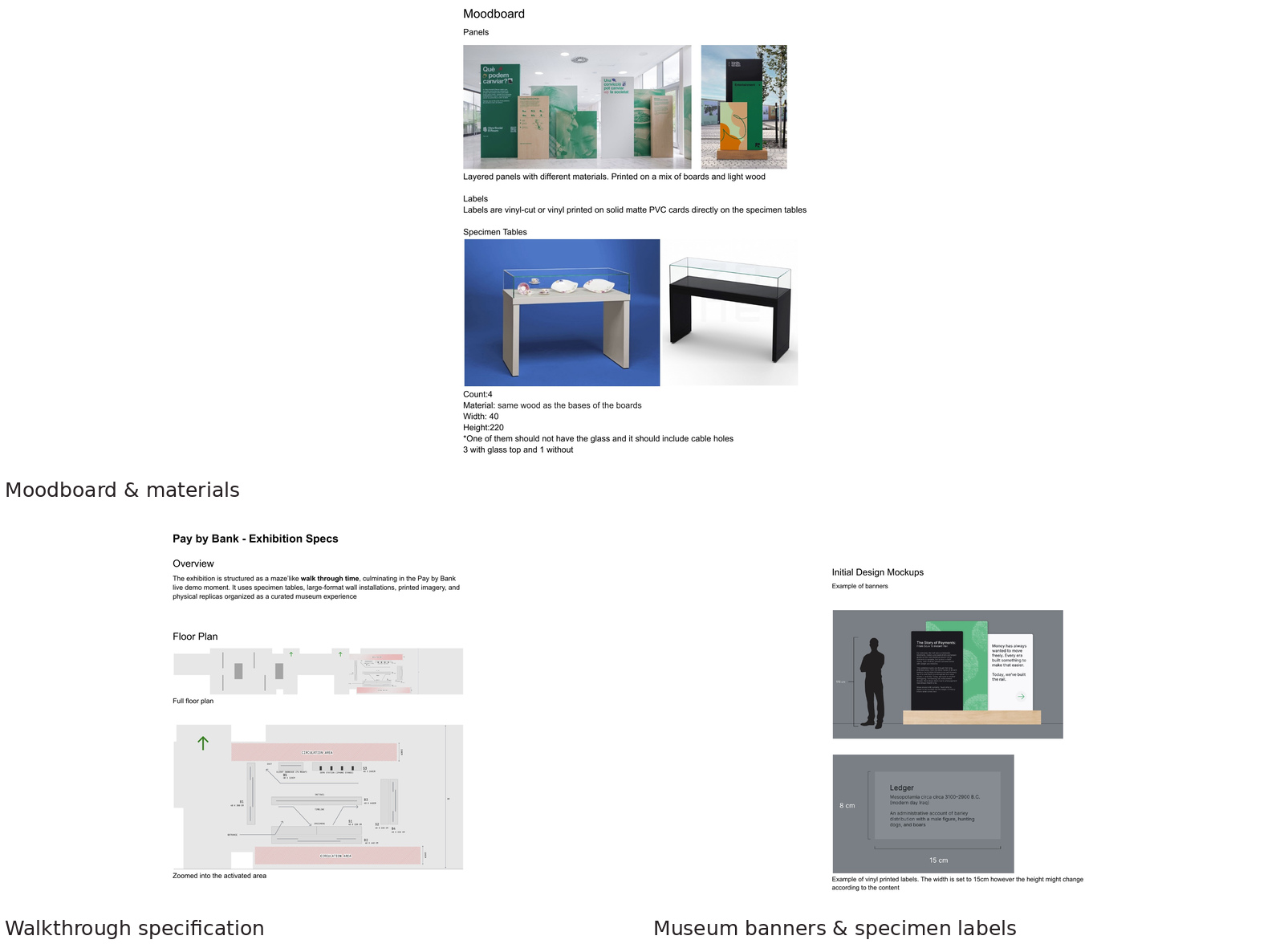
I worked from a walk-through-time concept that ended at the live demo. The moodboard, floorplan and materials gave that journey a physical form.
Original exhibition concept and specification pages. Open full size
I show the original exhibition concept and specifications here, separate from the delivered work.
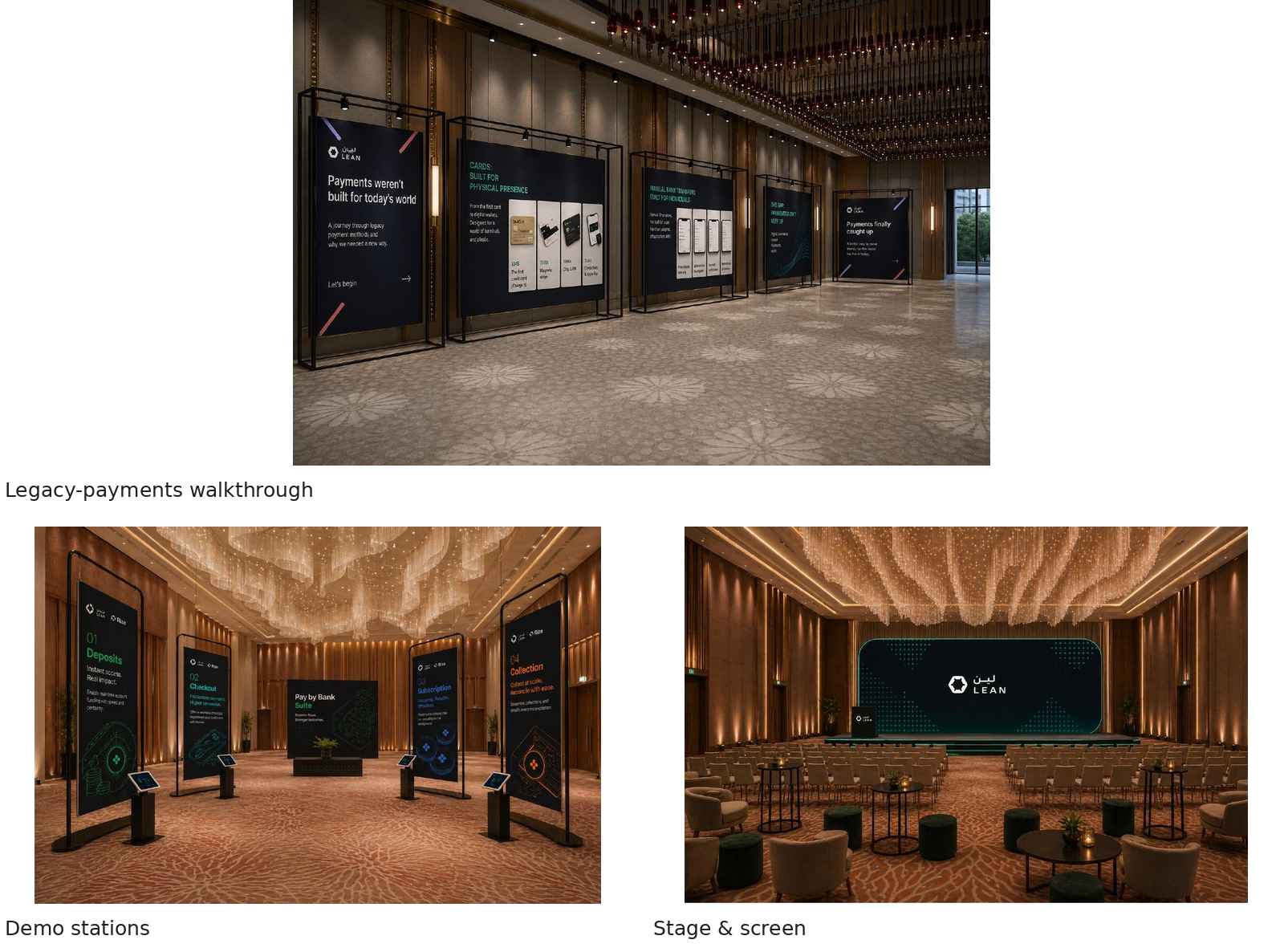
Production-brief planning mock-ups, not delivered photographs. Open full size
I used these mock-ups as planning direction. I keep them separate from the delivered photographs below.
I brought the pieces together in the production brief: five narrative boards, product demo stations, stage and screen, AV and content capture. I connected the story with the details needed to build the room.
02 / SETUP
I brought the room together
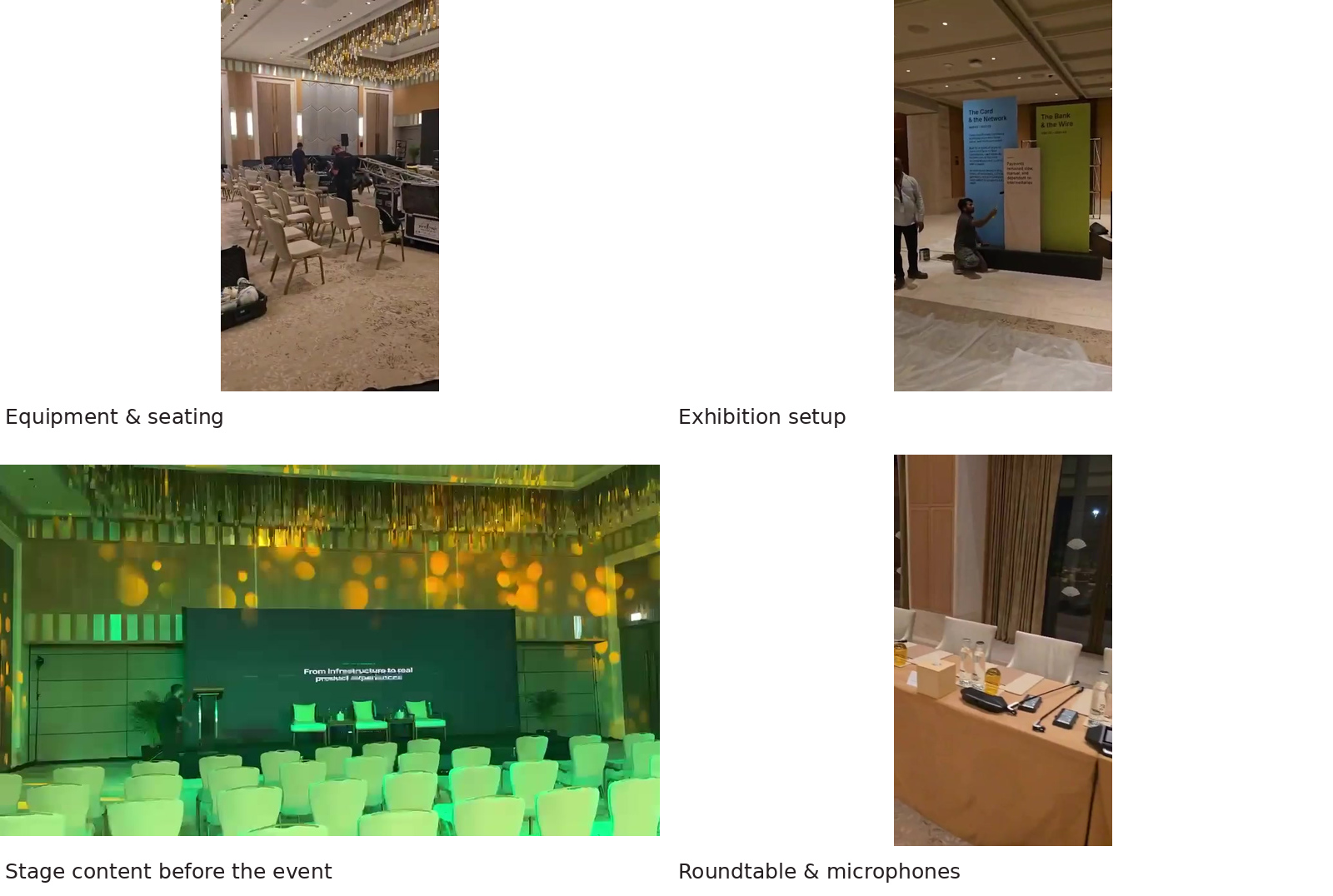
I brought the plan into the room. My behind-the-scenes videos show the exhibition taking shape, roundtable places being prepared and stage content on screen.
Behind-the-scenes stills: room, exhibition, stage and roundtable setup. Open full size
I selected these stills from my setup videos. They show preparation, not attendance or a guest demo.
03 / ACTIVATE
I brought The Museum of Payments to life
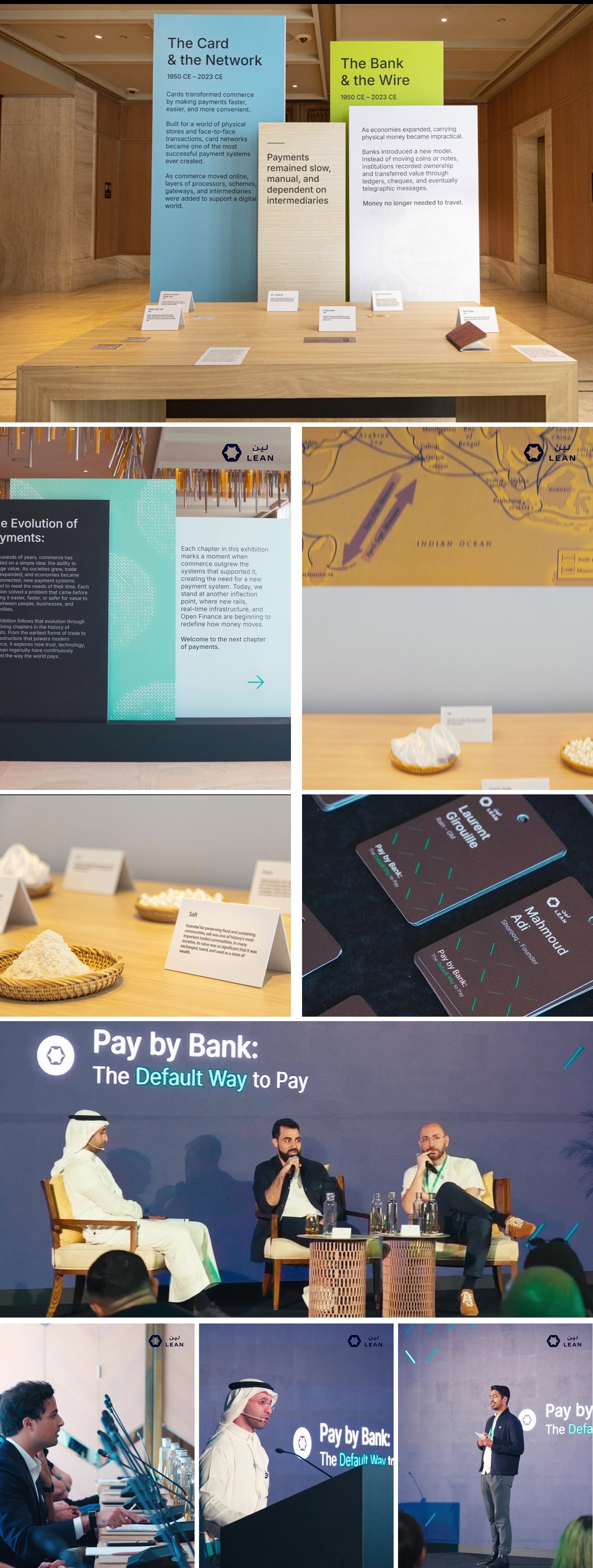
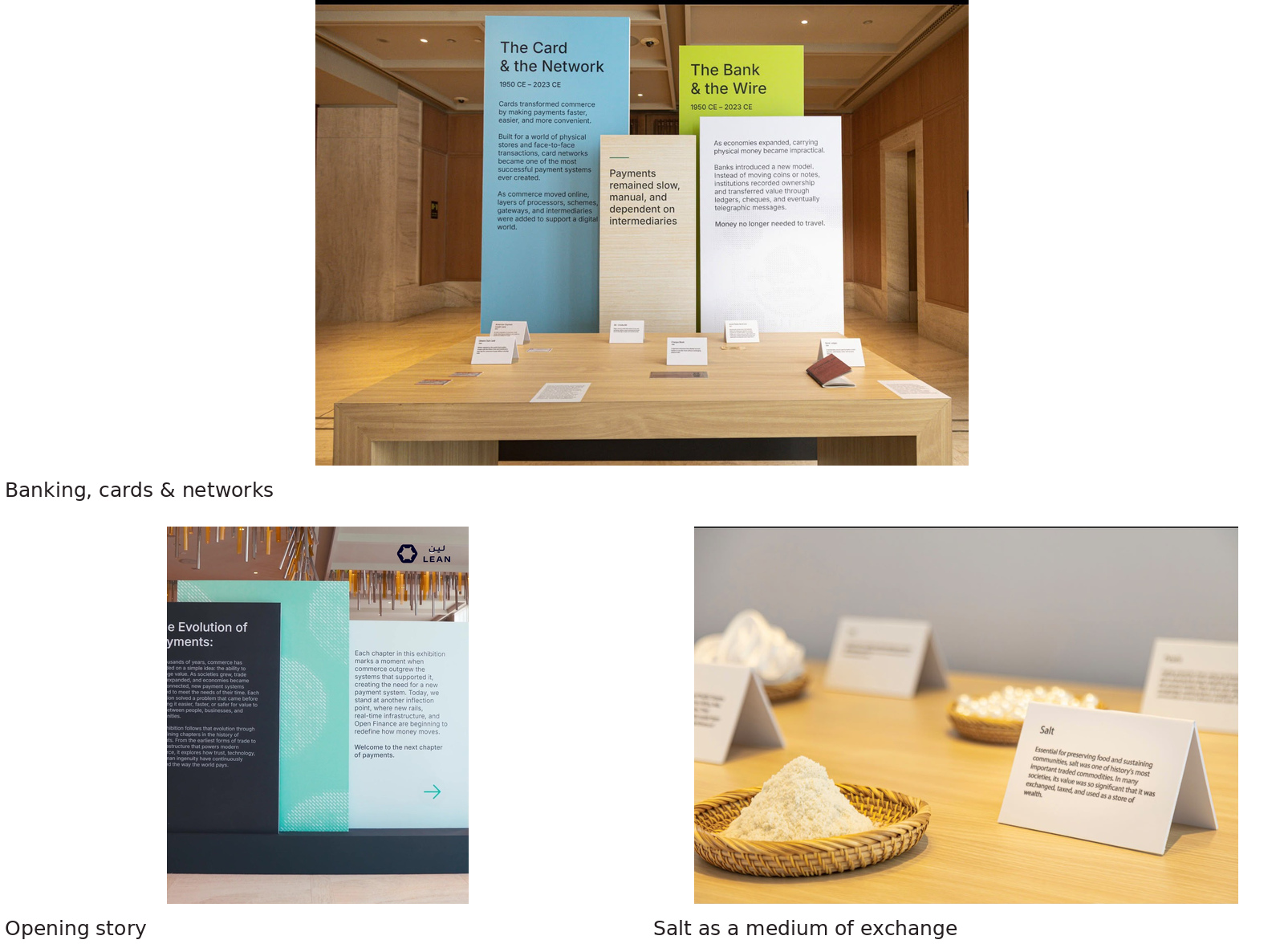
I used a physical walkthrough and exhibits to bring the story of money into the room. These photographs show the delivered activation.
Delivered The Museum of Payments exhibition photographs. Open full size
04 / EXPERIENCE
I ended with a product people could try
I connected the walkthrough with a hands-on checkout activation. Roundtables, speakers and a panel gave the launch its wider context.
I made checkout tangible
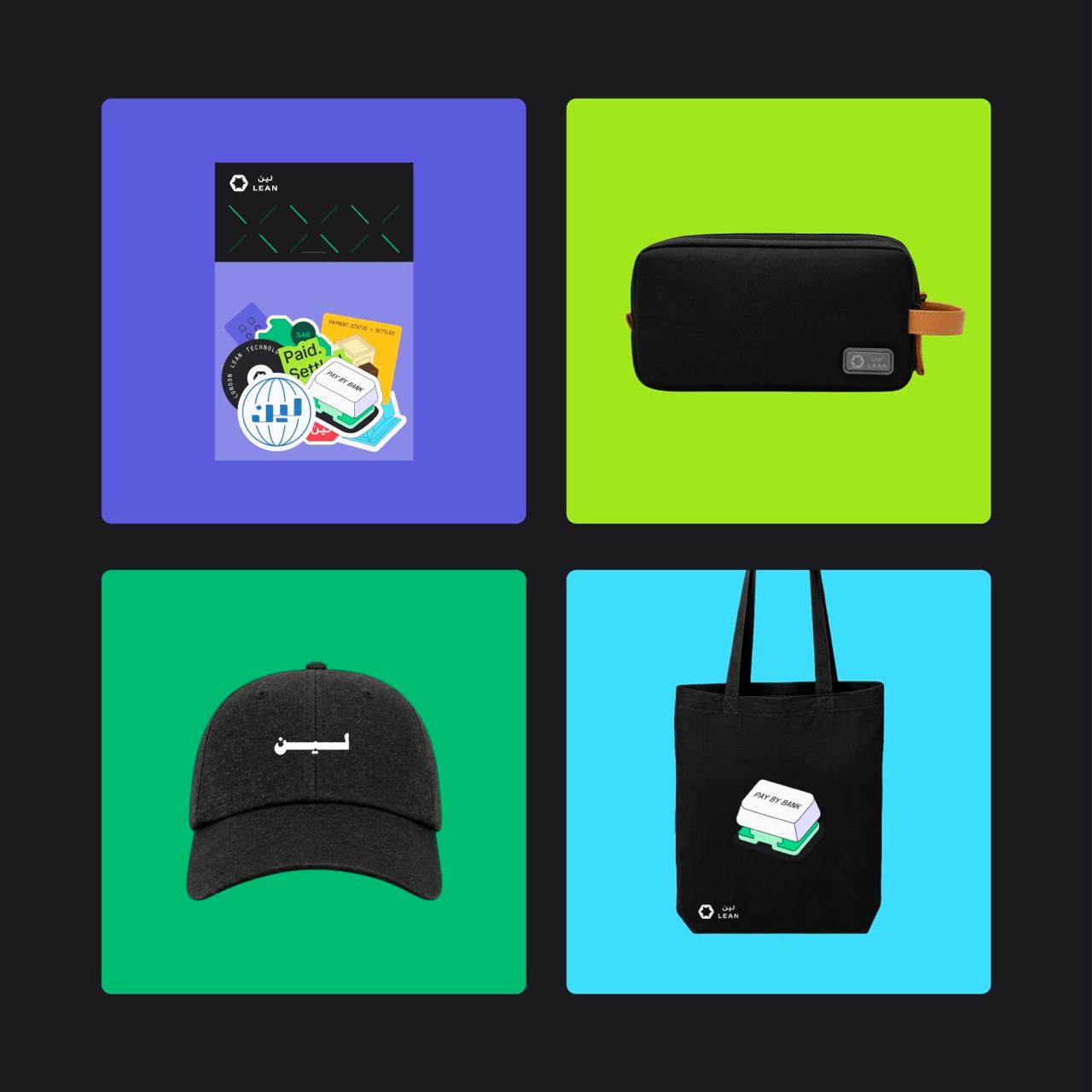
I brought the checkout experience to life with the team through a merchandise demo station. Guests chose a sticker pack, wash bag, Lean cap or Pay by Bank tote, tried the checkout flow and took their item home.
Pay by Bank merchandise: sticker pack, wash bag, Lean cap and tote
I describe the checkout activation from firsthand experience. This image shows the merchandise, not a guest transaction.
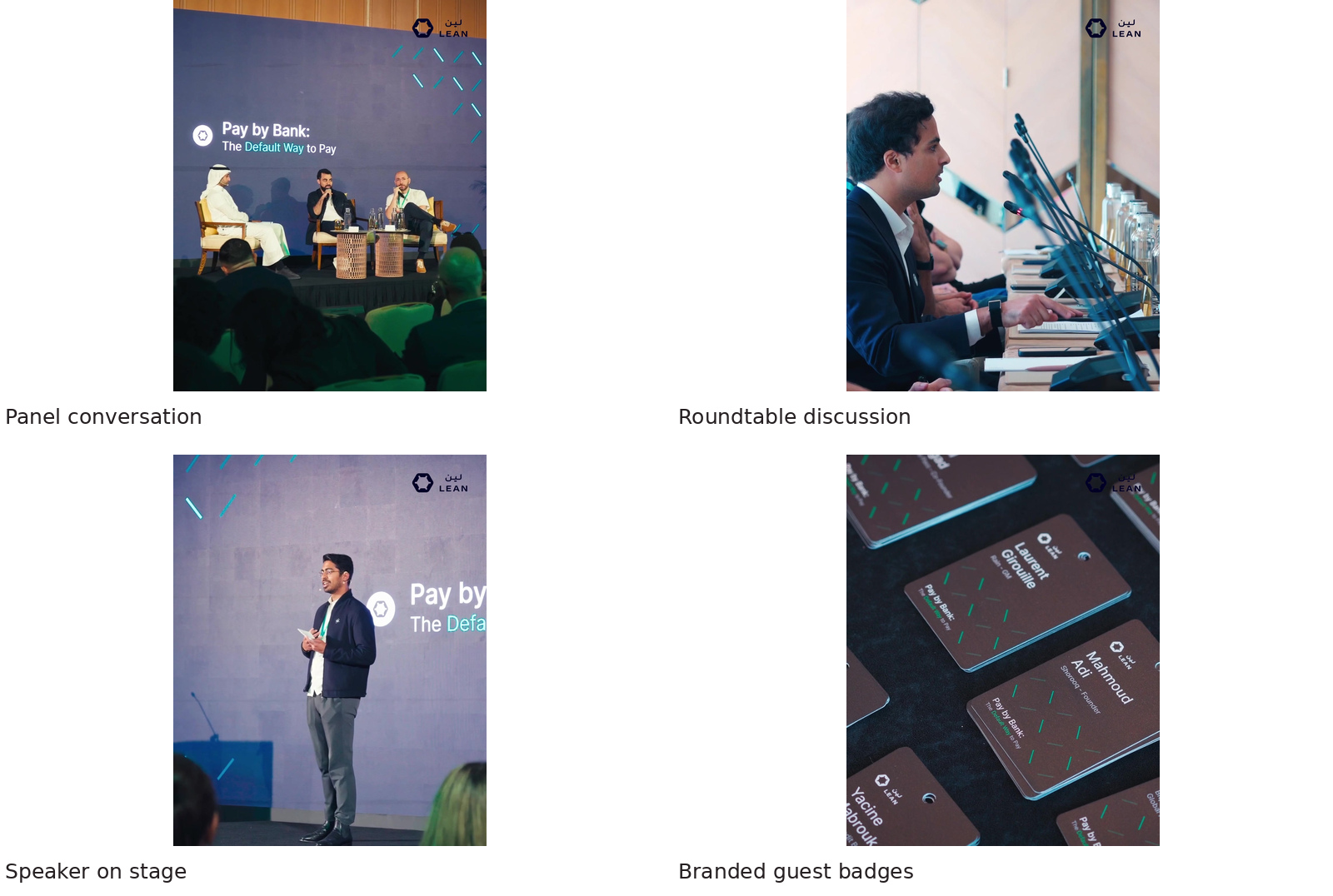
Delivered event: panel, roundtable, speaker and guest badges. Open full size
I show the delivered panel, roundtable, speaker and guest badges here. My videos do not show a checkout transaction; I describe that flow from my own experience.
I built the guest operation behind the room - and it ran like a mini-ABM programme
Everything flowed from the accounts. We selected the target accounts first - by revenue, strategic fit and pipeline - and only then mapped the audience to the event type. A product launch like Pay by Bank called for payments, product and commercial leaders at our target banks and fintechs; an executive dinner would have called for a different table entirely. From the account list, I managed invites, RSVPs and VIP handling with our executive leadership, and I worked with the team on shared trackers and playbooks, so every review, response and next step had a place - tracked against the account, not the inbox.
Accounts selected by revenue & fit → audience mapped per event type → invites, RSVPs & VIPs tracked per account → CRM follow-up
I kept the invitation journey in one view
I connected leadership review, invites, RSVPs and arrival details in one tracker.
Rendered spreadsheet excerpt: invitation and RSVP operations. Guest details shown as supplied. Open full size
I connected priority guests with owners
I used the VIP tracker to connect guest priority with RSVPs, attendance fields and follow-up owners. The master tracker added backup, executive and product ownership.
Rendered spreadsheet excerpt: VIP handling and follow-up fields. Guest details shown as supplied. Open full sizeRendered spreadsheet excerpt: account, backup, executive and product ownership. Guest details shown as supplied. Open full size
I checked the gaps before the event
I used a separate QA view to compare direct and link responses, invite delivery and clean RSVP status, with a next action for each gap.
Rendered spreadsheet excerpt: RSVP quality checks. Guest details shown as supplied. Open full size
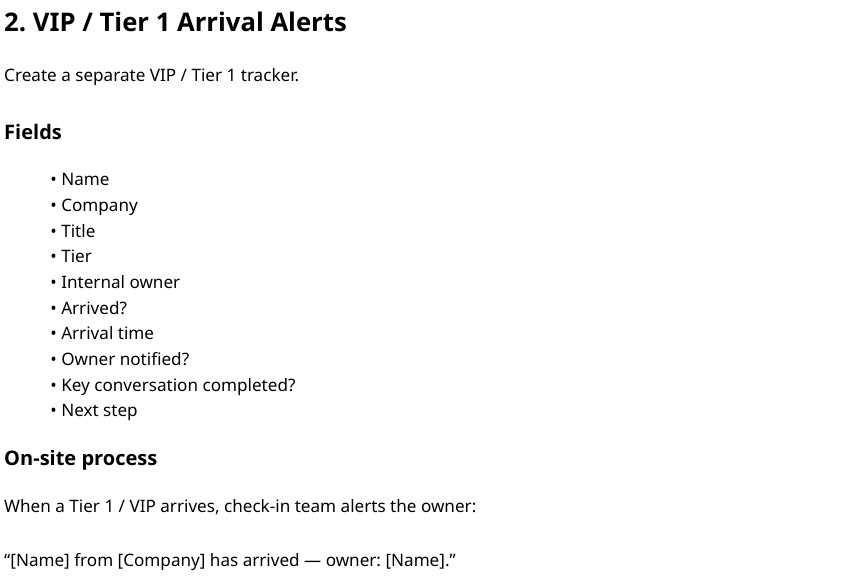
I planned the VIP handoff
I used the arrival-alert playbook to define the handoff: check-in notifies the assigned owner, who can greet and engage the guest.
Lead-tracking playbook excerpt: VIP / Tier 1 arrival-alert process
I show original guest details, values and blanks from the working trackers. I preserve the source styling, with wrapped rows expanded where needed. These are operating records, not evidence of attendance or commercial results.
I connected the event with the commercial team
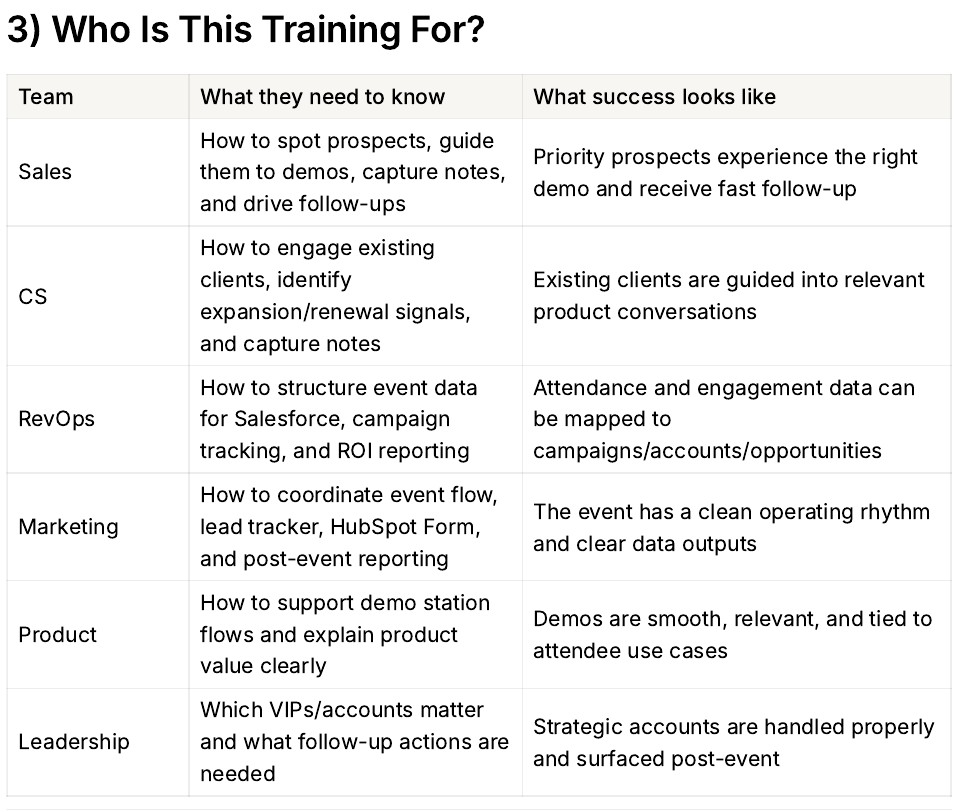
I covered the attendee journey and lead-tracker / HubSpot flow in the commercial training. I worked alongside PMM, Product and RevOps to help Sales and CS connect demos with conversations and follow-up.
I worked from a guide that set out roles across Sales, CS, RevOps, Marketing, Product and Leadership.
Training guide excerpt: cross-functional responsibilities
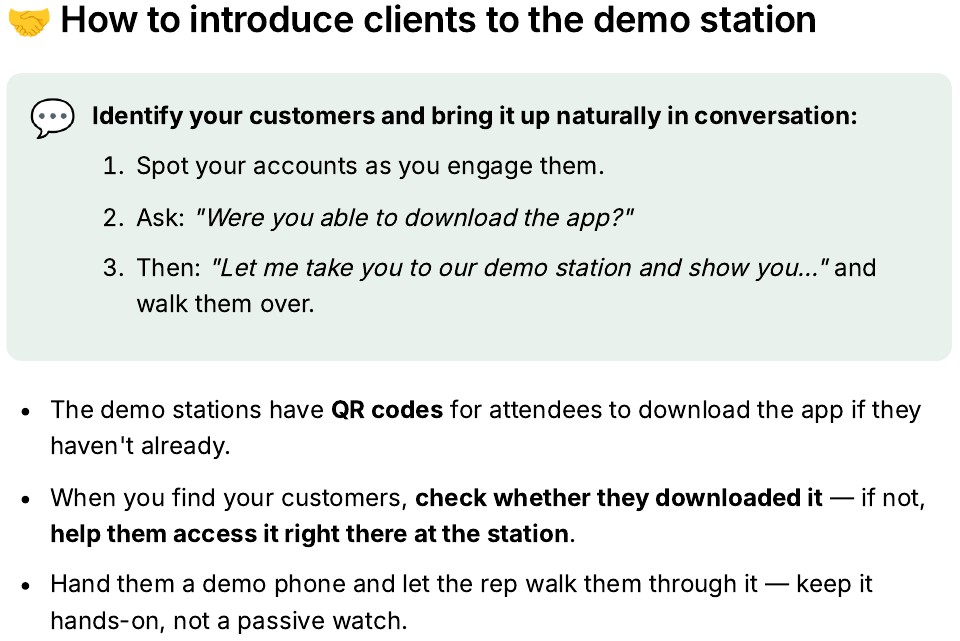
I connected the demo with the conversation
I show the sales brief's practical handoff: identify the account, check whether they had tried the app and guide them to a demo.
Sales brief excerpt: how to introduce clients to the demo station
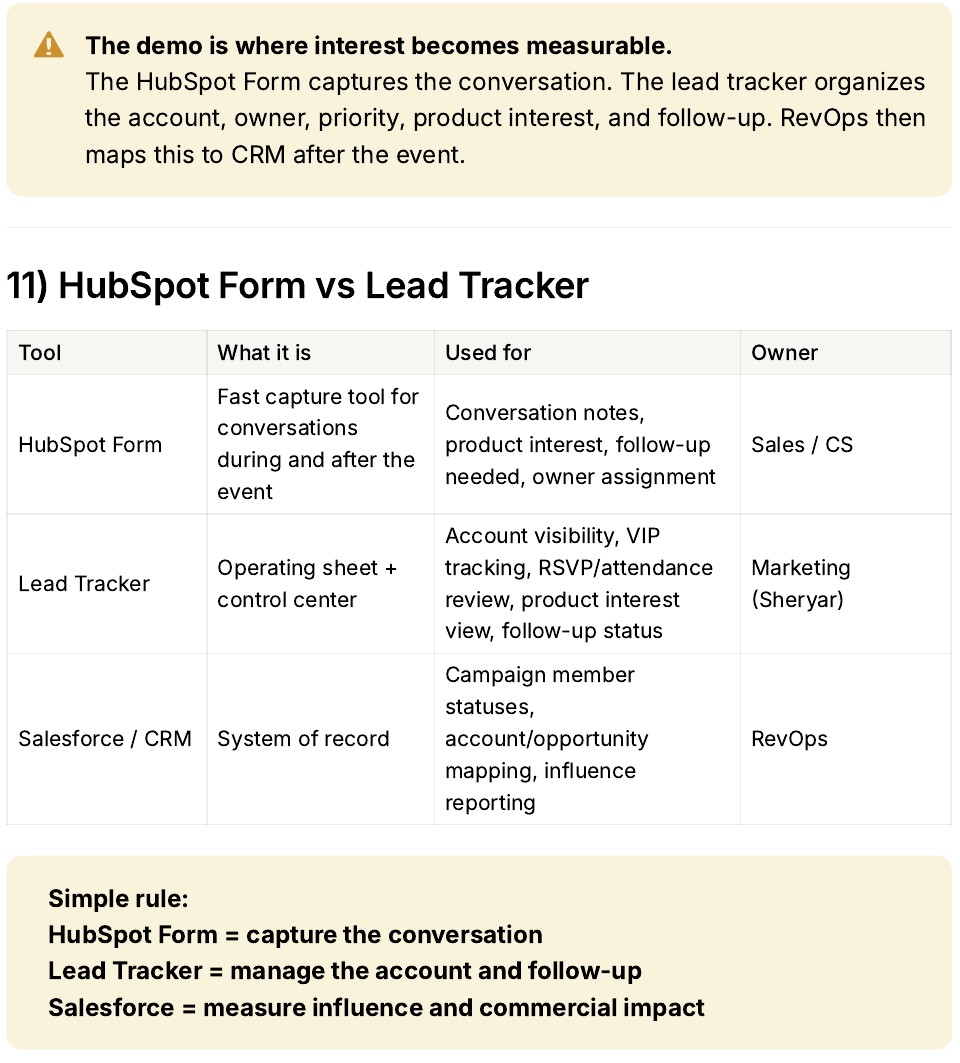
I connected capture with follow-up
I covered the lead-tracker / HubSpot capture flow. The guide separates conversation notes in HubSpot, account next steps in the tracker and RevOps influence reporting in Salesforce.
Training guide excerpt: capture tools, lead-tracker ownership and CRM handoff
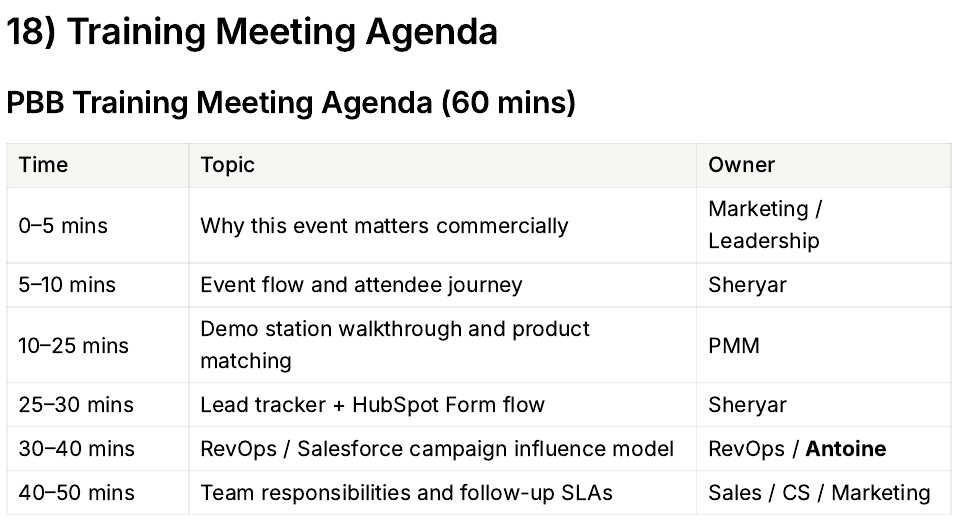
I trained for what happens on the day
I took the attendee journey and lead-tracker / HubSpot sections of the 60-minute training. PMM covered demos; RevOps covered campaign influence.
Training agenda excerpt: Sheryar's sessions and shared team ownership
I show excerpts from the training guide (pages 3, 12 and 18) and sales brief (page 4). I keep the team's ownership visible. I do not claim sole authorship of the wider product GTM or use these plans as evidence of pipeline or revenue.
What I brought together
I brought the payments story, demos, production and guest operations together. My role connected the creative idea with the work needed to run it live.
I link Lean's public recap in the source notes. It confirms the launch of Deposits, Collections, Checkout and Payment Links at "Pay by Bank: The Default Way to Pay".
I describe The Museum of Payments and demo CTA from firsthand experience. I separate planning mock-ups from delivered work, and I do not present guest targets as achieved results.
02
Saudi Arabia
Money20/20 Middle East 2026 | Riyadh
How the Lean booth came to life
End-to-end booth delivery | Vendors | RSVPs | Live experience
I managed Lean's booth end to end: build, vendors, RSVPs and on-site delivery. I brought product demos, private meetings and a visitors' lounge into one working space.
My route from brief to live floor
01 / CONCEPT
I started with the visitor journey
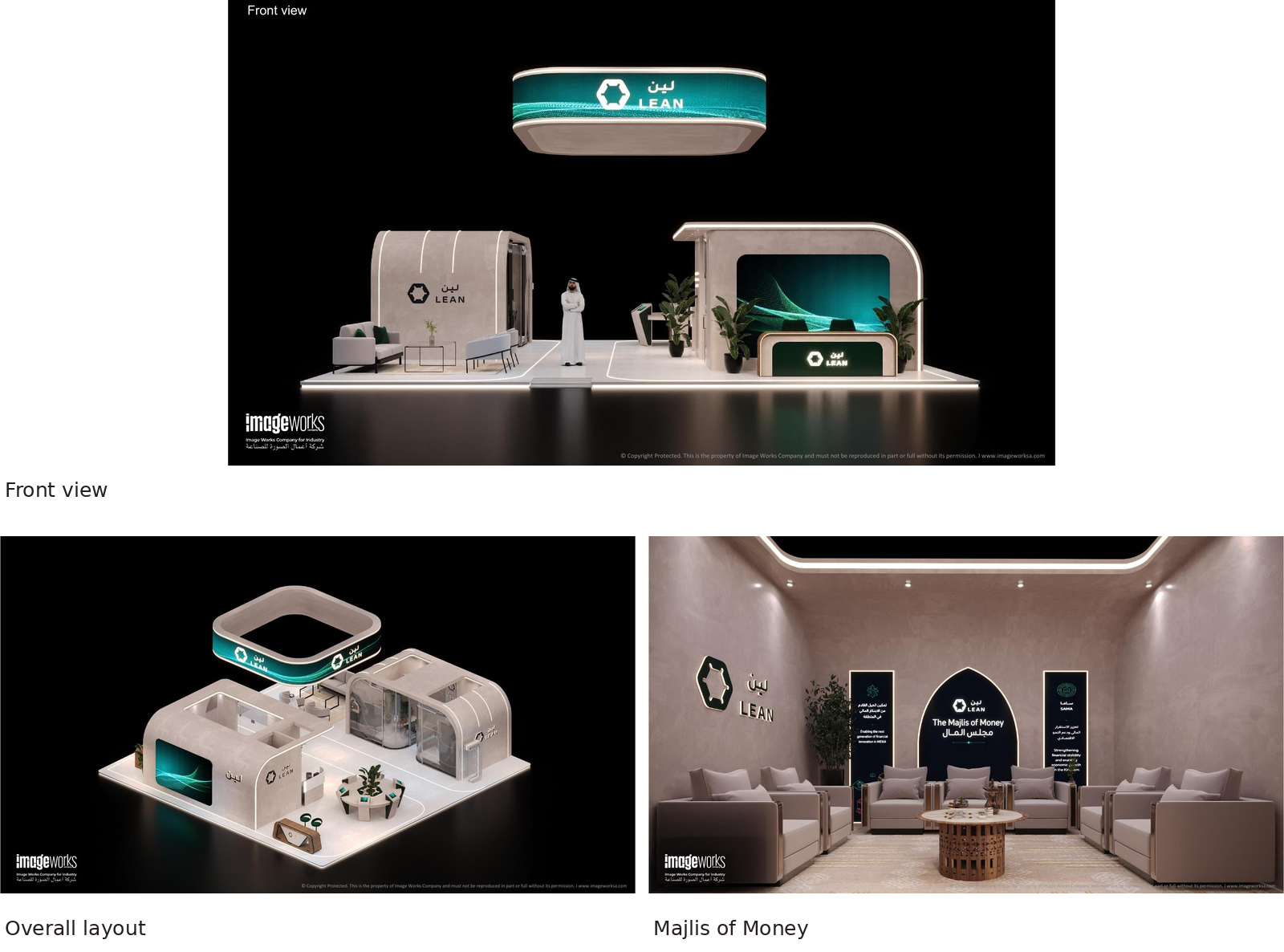
I worked from Image Works' concept: a suspended branded structure, a welcome point, demos and meeting spaces. The visitor journey gave the build its purpose.
Vendor planning renders: front, overall layout and meeting space. Open full size
I worked with Image Works, who created these concept renders. I led delivery; I do not claim architectural authorship.
02 / SPECIFICATION
I turned the concept into a build brief
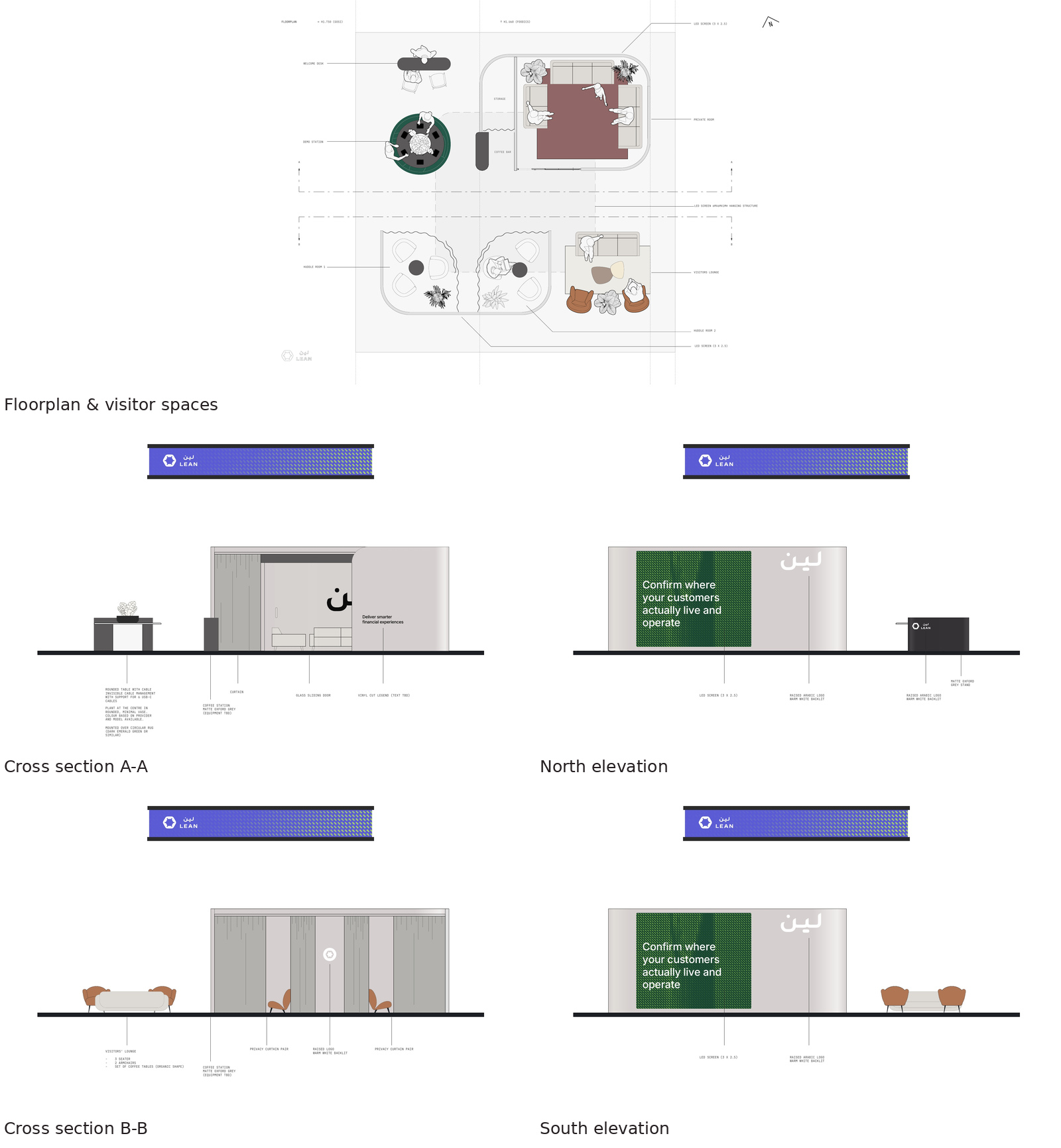
I used the booth specification to connect demos, meeting rooms and hospitality with the practical build.
Original booth specification pages: floorplan and four technical views. Open full size
I show the original specification, not a redesigned summary.
03 / BUILD
I managed the build
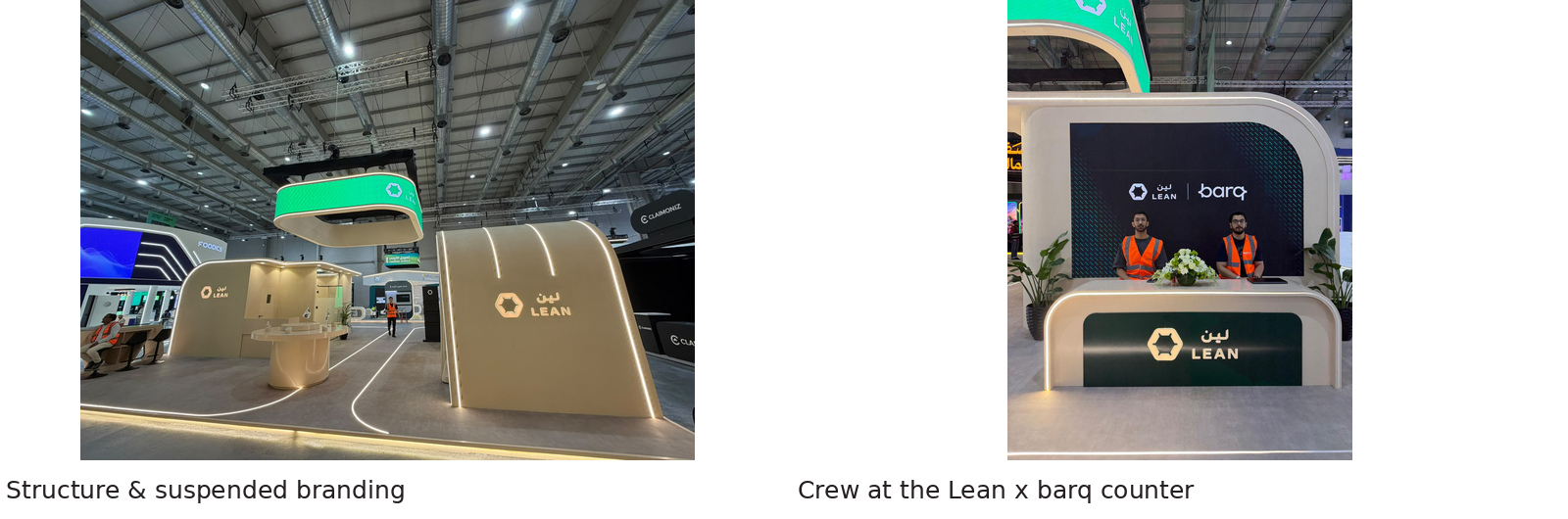
I coordinated the vendors and the build, then brought the booth onto the event floor.
Booth build and behind-the-scenes crew photographs. Open full size
04 / LIVE
I ran the live experience
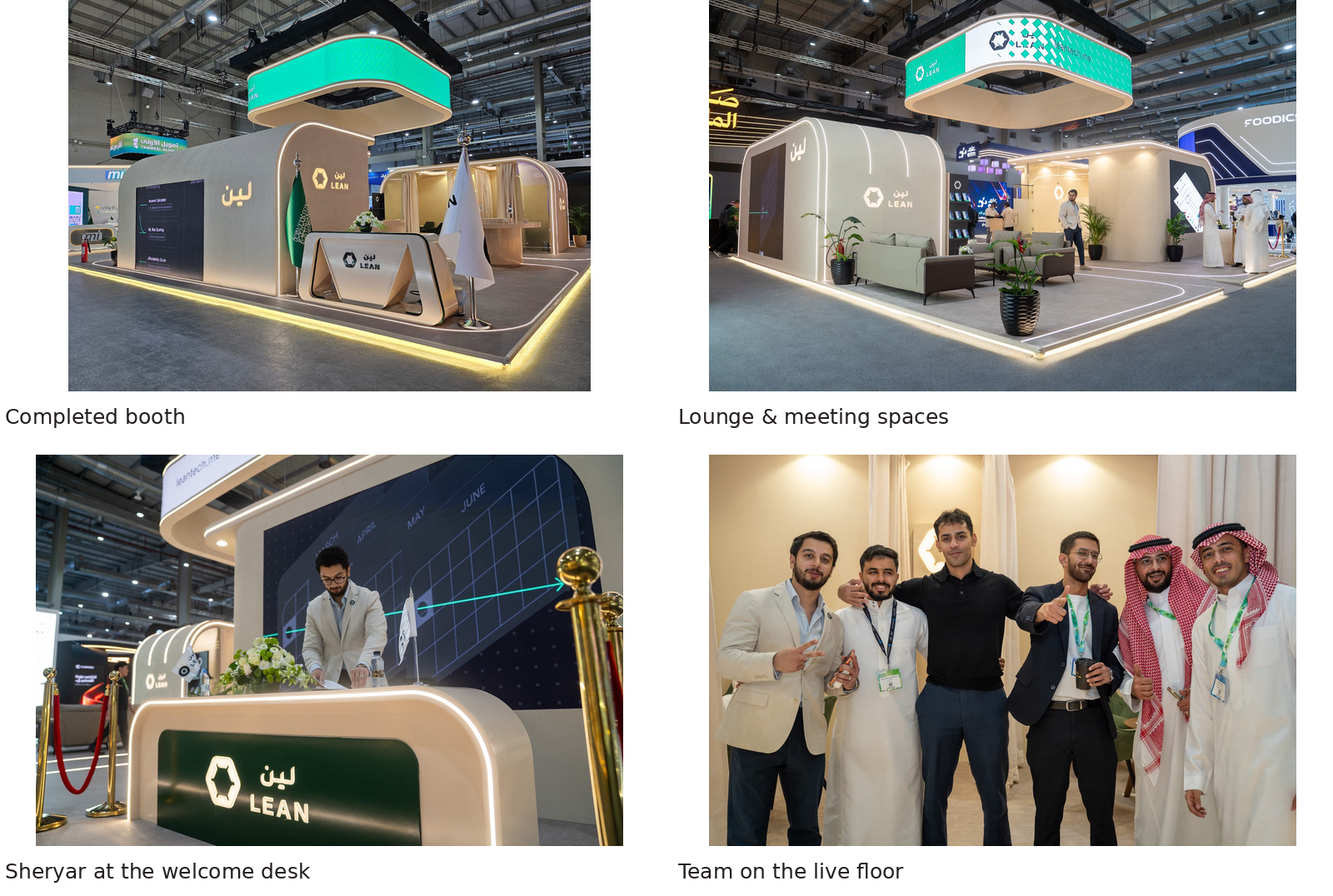
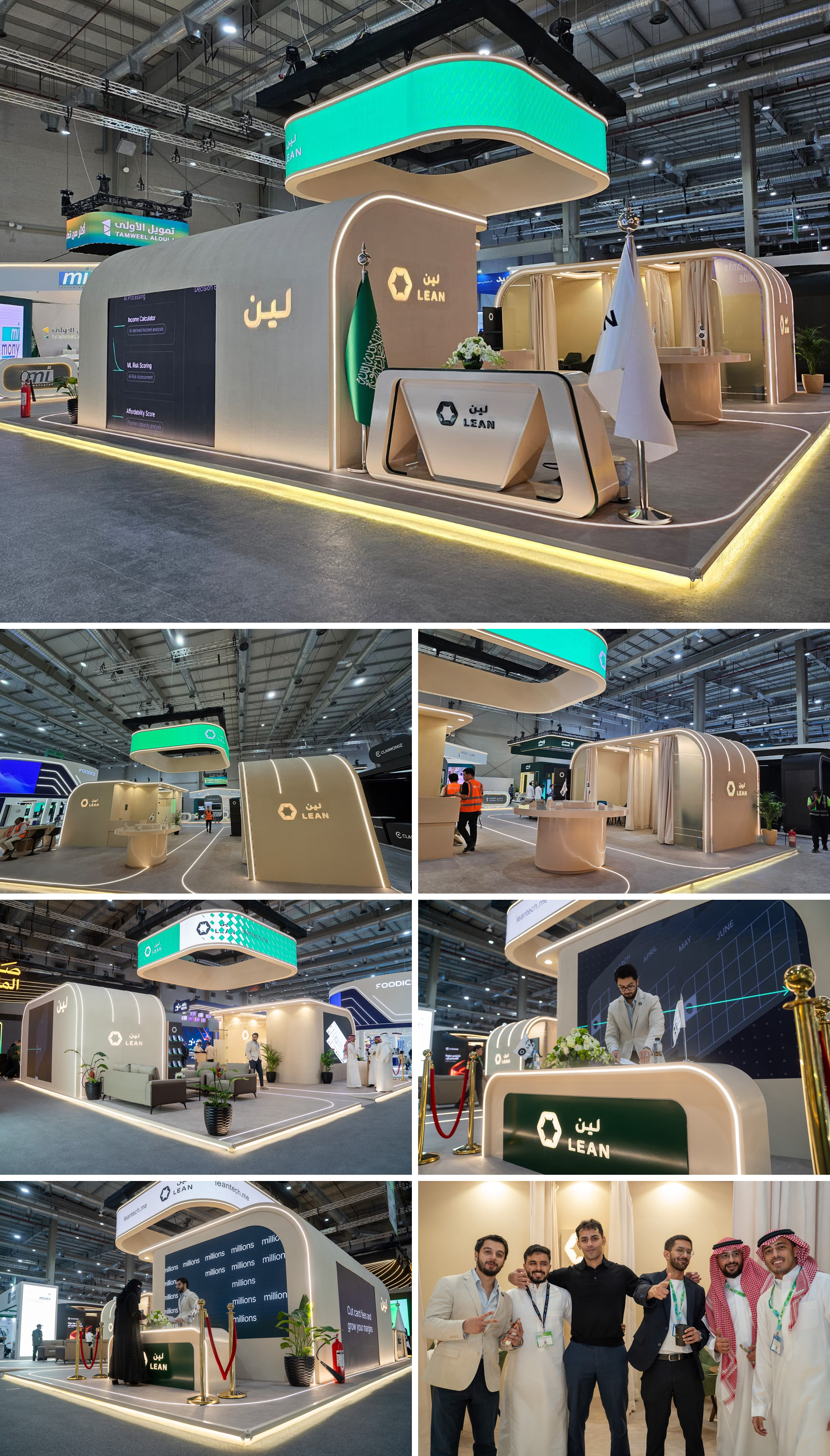
I handled RSVPs and on-site delivery while the finished space supported demos, conversations and private meetings.
Delivered booth: space, welcome desk and team. Open full size
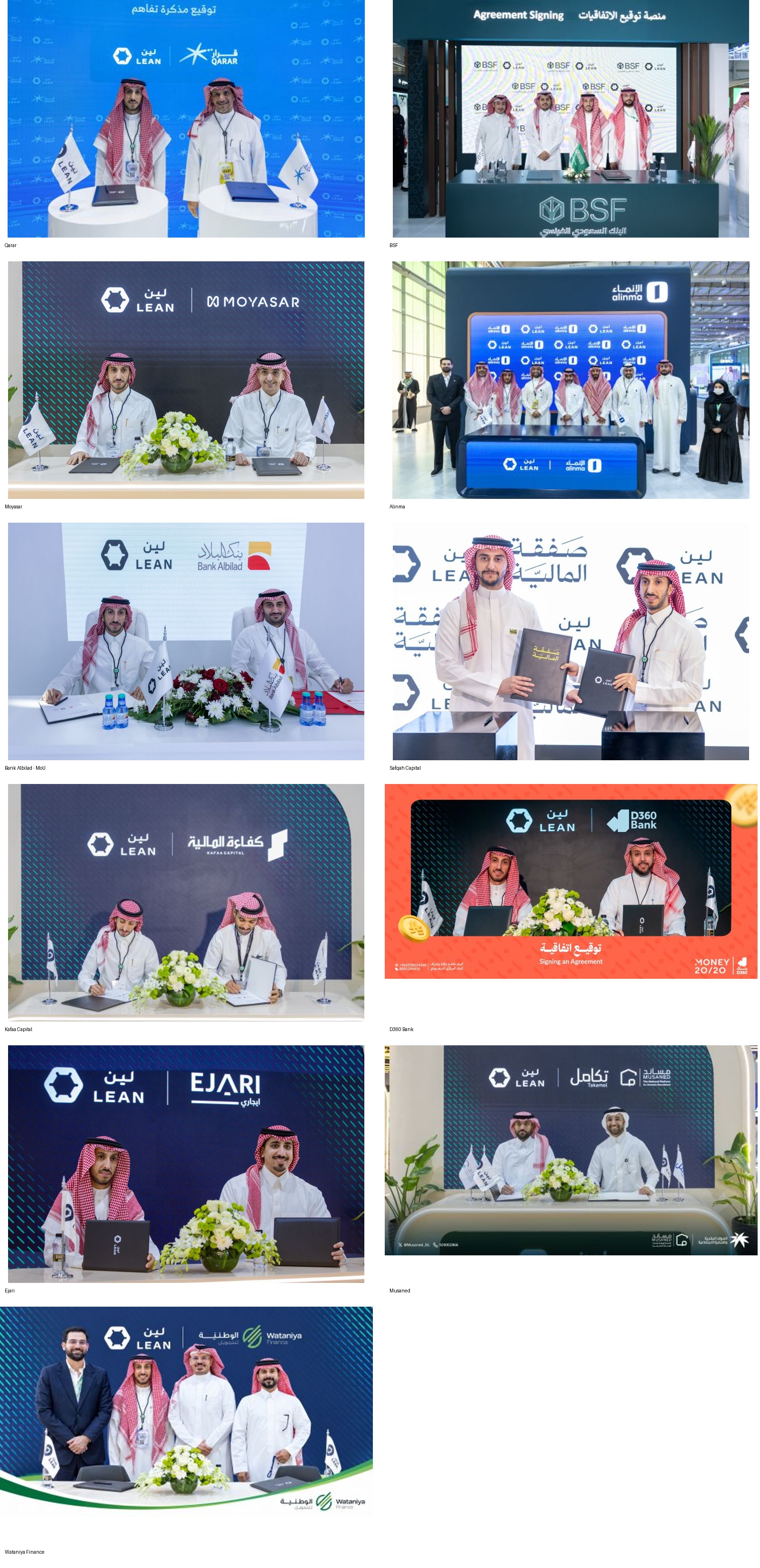
I connected the signings with the story
I led the partnership signing programme and event content. I connected the on-site moments with announcements and coverage across Qarar, Moyasar, Alinma, Bank Albilad, Safqah Capital, Kafaa Capital, D360 Bank, Ejari, Musaned, Wataniya Finance and BSF.
I led signing delivery and content, not deal origination or signatory duties. These images come from Lean and partner announcements; some are low resolution. I label Bank Albilad as an MoU.
I carried the story from the pre-event product showcase through live demos, industry conversations, signing announcements and the wrap.
I owned the brochure, too
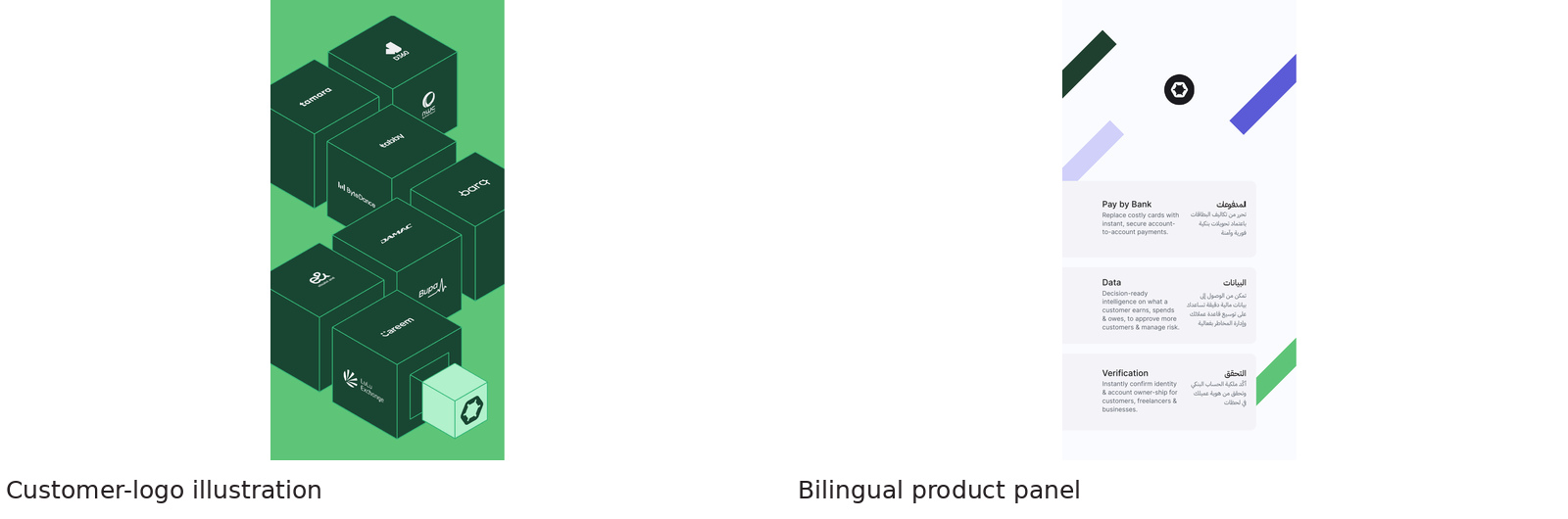
I owned the brochure concept, copy and vendor management. I turned Lean's financial infrastructure story into bilingual material people could take away.
Selected original brochure panels, grouped for a quick overview. Open full size
I show original brochure panels. I do not claim the company or customer results inside them as my personal outcomes.
I describe my delivery and content role from firsthand experience. I link Lean and partner announcements in the source notes.
Upcoming event | Concepts I created | In development
Next, I am shaping the LeanX launch
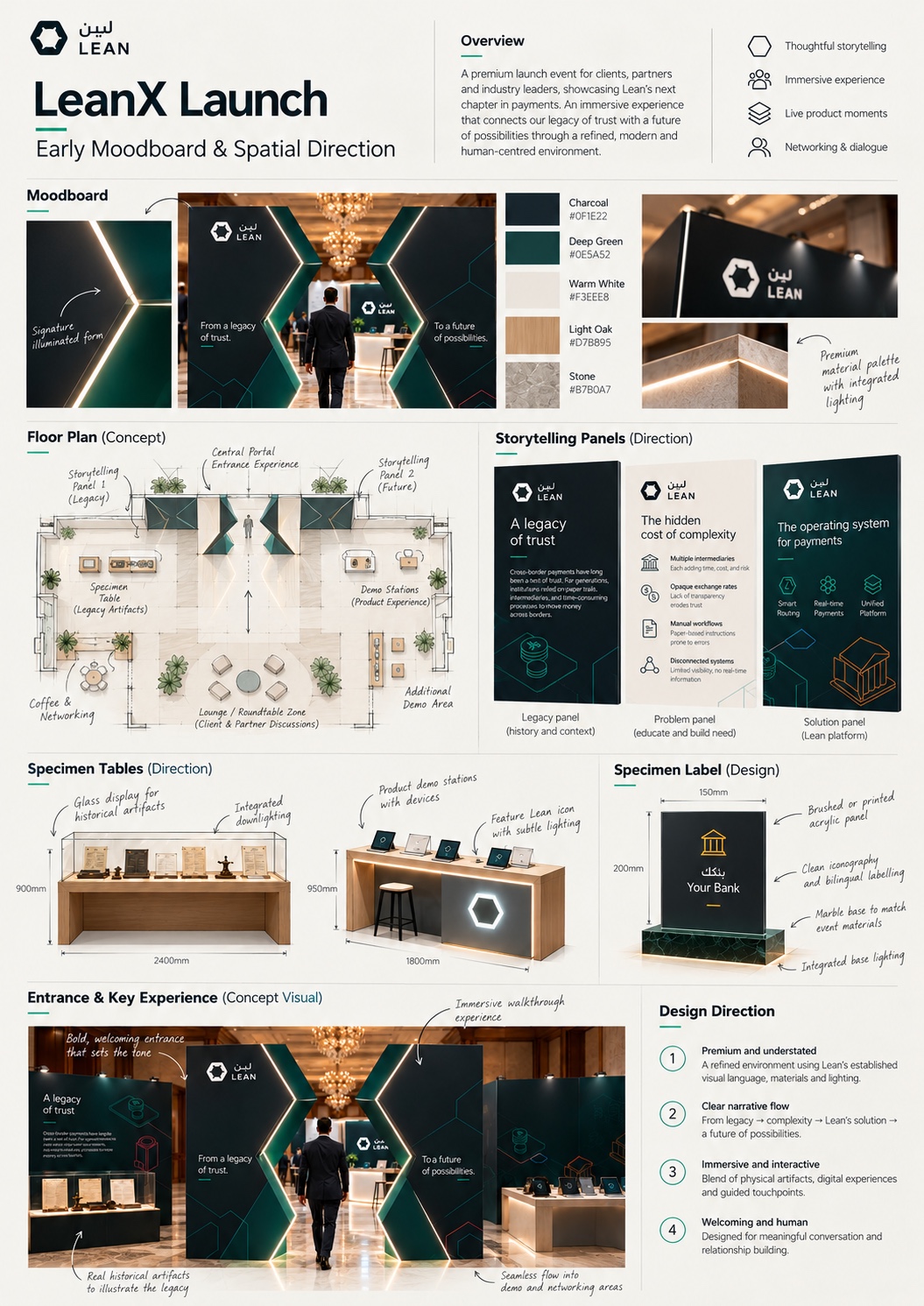
I created the concept, moodboard and activation ideas for an upcoming LeanX event. I am developing a physical story that moves guests from payment history into the product experience.
I started with the atmosphere
I combined deep green and charcoal with warm white, light oak, stone and integrated lighting. I shaped the space around an X entrance, storytelling panels, specimen tables and demos.
My early moodboard and spatial direction: materials, lighting, narrative panels and entrance concepts. Concept visuals, not event photographs. Open full size
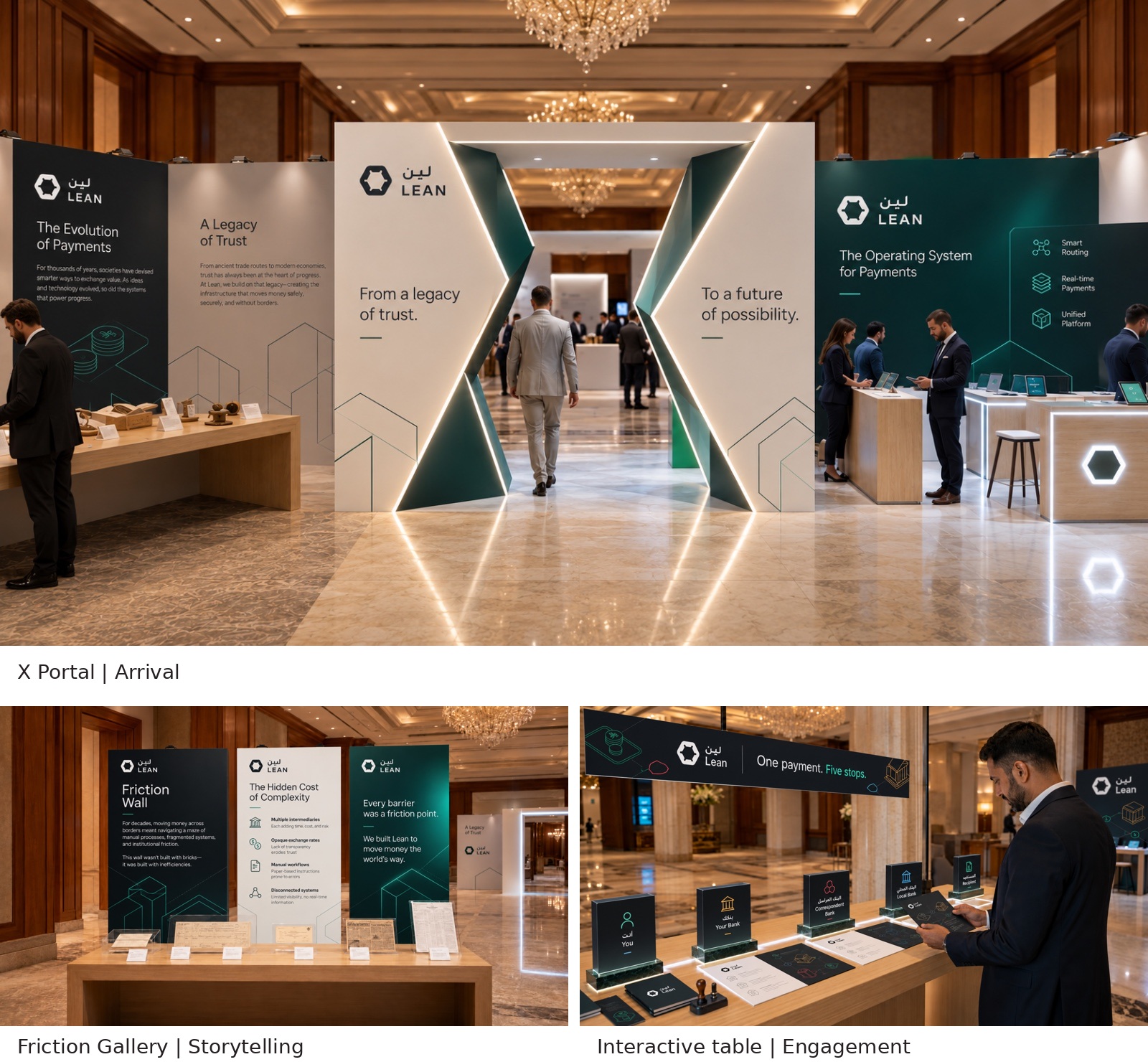
I gave the story three anchors
I proposed the X Portal, Friction Gallery and Flow Lab: an arrival moment, a payments story and hands-on engagement.
My activation concept collage: X Portal, Friction Gallery and the One payment. Five stops. interactive-table direction. My own concepts in development, not delivered installations. Open full size
I use the interactive table to tell the legacy payments story, not to represent LeanX's current product flow.
I grounded the concept in Lean's product description: cross-border payments infrastructure for banks, exchanges, money transfer operators and payroll platforms, with around-the-clock settlement and local-currency payouts under the client's brand.
I use Connect → Fund → Settle → Payout as the product story. I keep that flow separate from the legacy-payment exhibits and proposed activations.
I checked the product description on 12 October 2026. I created these concepts; the event remains in development. I do not present these renders as delivered work or a confirmed venue.
 UAE
UAE




 Saudi Arabia